


Screening of the documentary Bialiatski | Unbroken highlighted human rights defenders’ struggle for freedom and democracy in Belarus
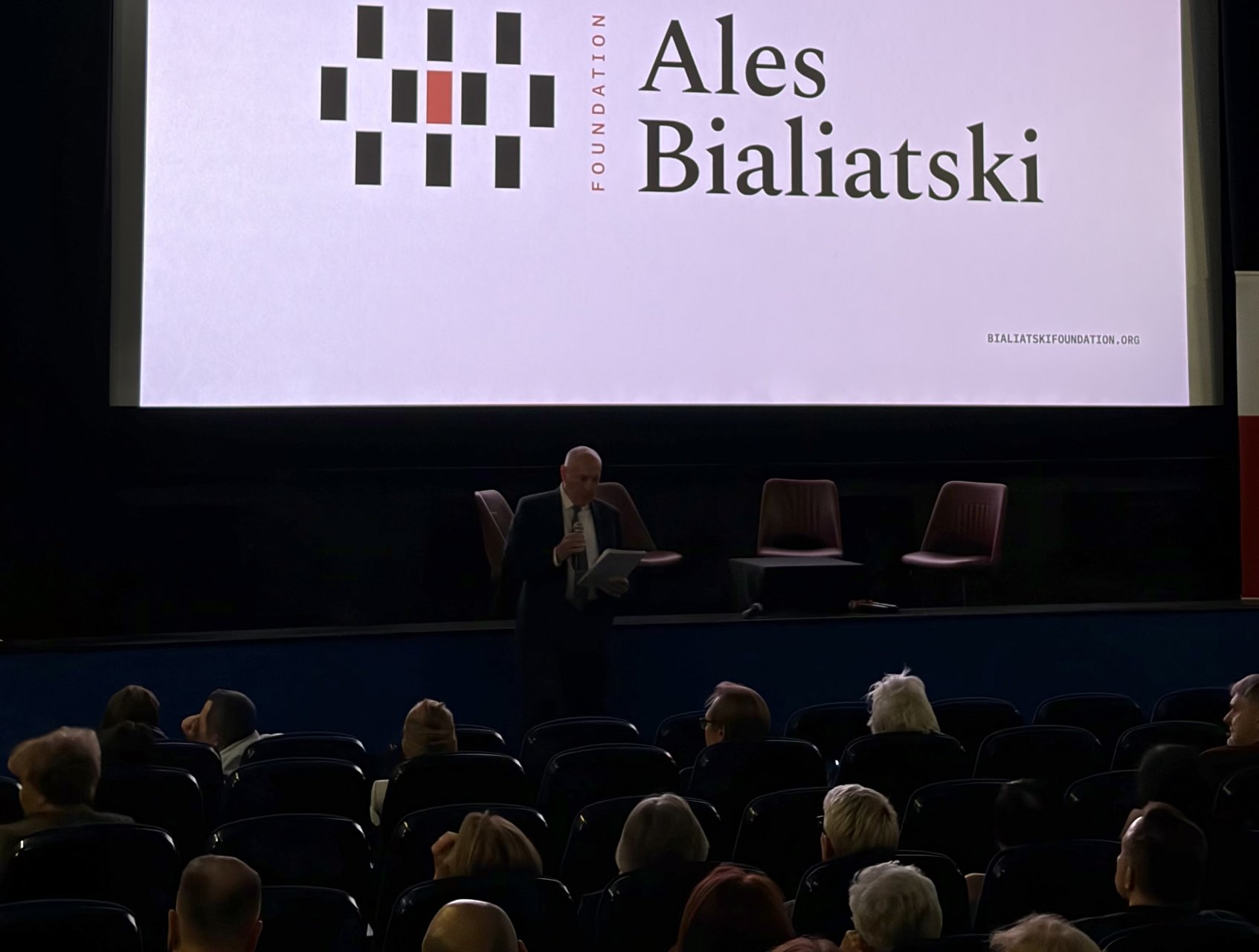
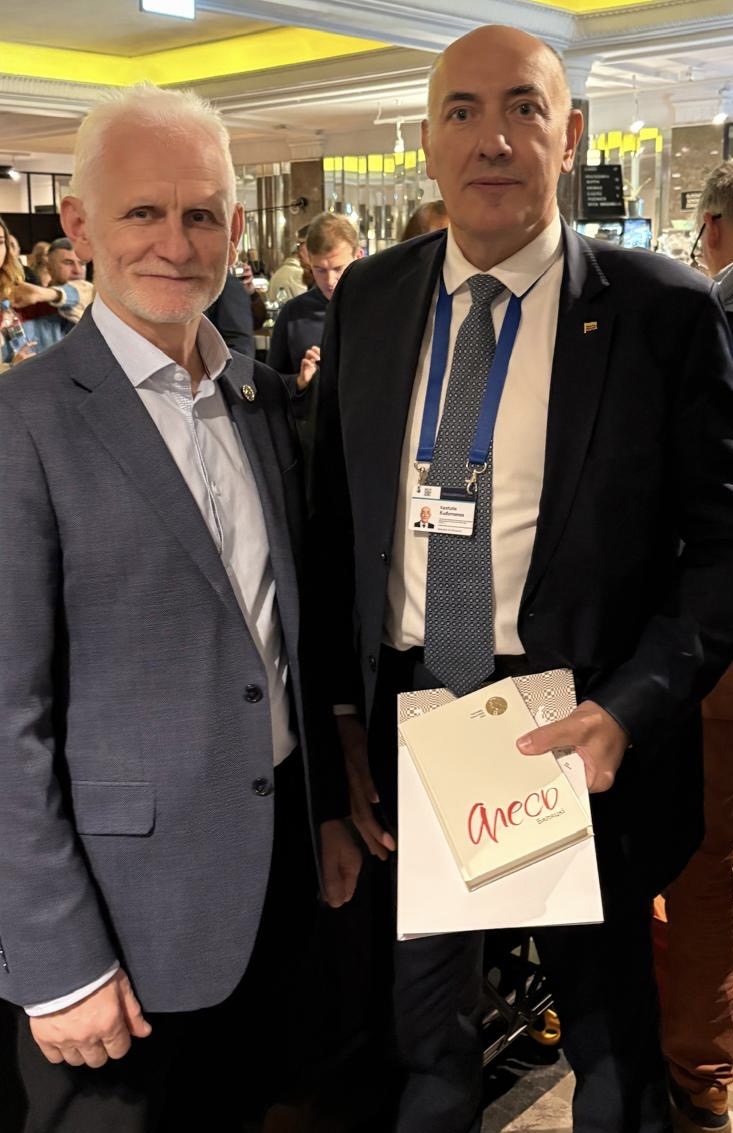
On 12 October, the Permanent Mission of Lithuania to the International Organisations in Vienna organised a screening of Bialiatski | Unbroken in Warsaw. Directed by Lithuanian filmmaker Eimantas Belickas, the documentary follows the life and work of Ales Bialiatski, a Belarusian human rights defender and the 2022 Nobel Peace Prize laureate.
The event brought together diplomats from Vienna and Warsaw, as well as representatives of the Organisation for Security and Co-operation in Europe (OSCE) and civil society. It aimed to draw attention to repression by the Belarusian regime and to human rights defenders’ struggle for freedom and democracy.
In his welcoming address, Ambassador Kęstutis Kudzmanas said Bialiatski’s extraordinary life was part of a wider story of courage, solidarity and determination among those who defend human rights, often at great personal cost.
“Lithuania will continue to support Belarusian civil society and democratic forces and demand the immediate and unconditional release of all political prisoners and an end to repression. We will work with our international partners to hold the regime and those responsible for human rights violations to account,” the ambassador said.
The audience had the opportunity to hear directly from Bialiatski and Belickas about the experiences depicted in the film, the work of human rights defenders and the role of documentary cinema in preserving historical memory.
Drawing on personal testimonies and rare archive footage, Bialiatski | Unbroken tells the story of Ales Bialiatski, founder of the Viasna Human Rights Centre, and his long-standing struggle for freedom in Belarus. The documentary also shows how human rights defenders stand together to document human rights violations and support political prisoners.
The screening took place on the sidelines of the Warsaw Human Dimension Conference. It was organised in cooperation with the Lithuanian Embassy in Poland, the Permanent Mission of Poland to the United Nations Office and International Organisations in Vienna, and the Ales Bialiatski Foundation, with support from the Permanent Missions of Norway and Sweden to the OSCE.
